
SOCIAL
CONTACT
LOCATION
via Boscovich 14, Milano
20145
Italia

© 2020 C.FISC. 97871390155 - P.IVA 13672380964
READ MORE ON BIRDS

BIRDS
Carvignone is home to at least 40 species of birds. Of these, approximately 25 are nesting. The rest of the presences are due to migrants and winterers. It is no coincidence that in the past in Carvignone there was a roccolo for the capture which took place in particular during the spring and autumn seasons. The ancient presence of this system indicated the validity of the site for the creation of the monitoring center dedicated to the observation and to nature photography.
BIRDS OF PREY
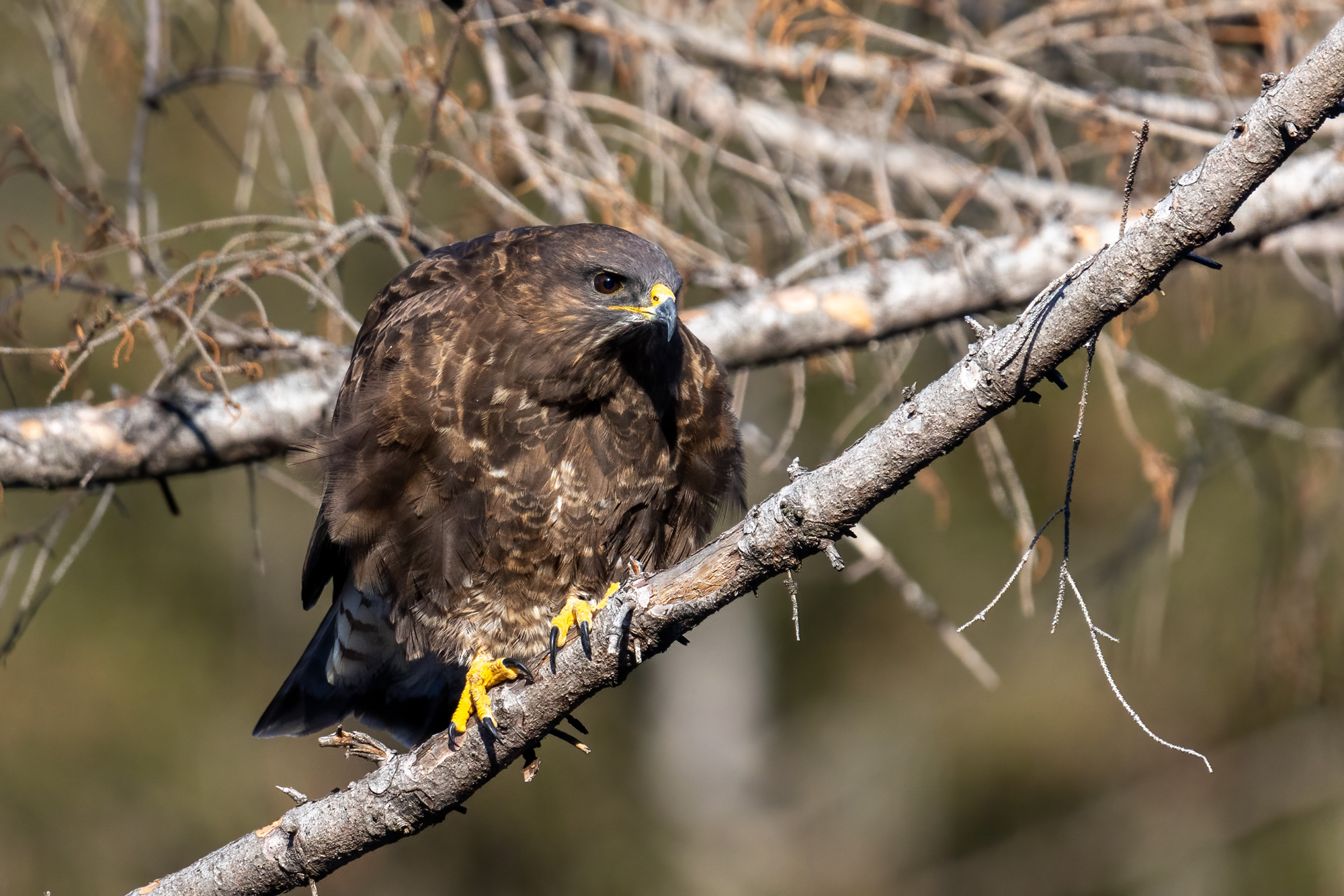
Diurnal Birds of Prey (Accipitridae and Falconidae) and Nocturnal Birds of Prey birds (Strigidae) are present in Carvignone with at least 8 species. Between these, there are also the Goshawk, the Sparrow hawk, the Buzzard and the Honey Buzzard nesting in the area. It is very likely that both the Little Owl and the Tawny Owl have their reproductive areas in the numerous huts present in the area. The Golden Eagle nests at higher altitudes and hunts preferably in alpine meadows, while the Kestrel often likes to nest in abandoned human structures. An exception is the Honey Buzzard which winters in Africa and reaches the alpine breeding sites in Spring, as it feeds almost exclusively of honeycombs of bees and wasps, which are naturally absent in Winter. All other species of Birds of Prey are exclusively carnivorous and they capture prey with very different techniques, to prevent the competition between species. Birds of Prey generally build crude nests made of branches in isolated places. Natural or artificial cavities can also be exploited, in particular by the Kestrel and the Tawny Owl. Specially constructed nest boxes are used by these two species, above all in places where ravines or cavities in large tree trunks are missing. Conservation interventions, the creation of Areas Protected and the overall increase in prey have allowed the recovery of their populations which, in the past, risked extinction due to the poaching, the use of chemicals in agriculture and site disturbance of nesting.


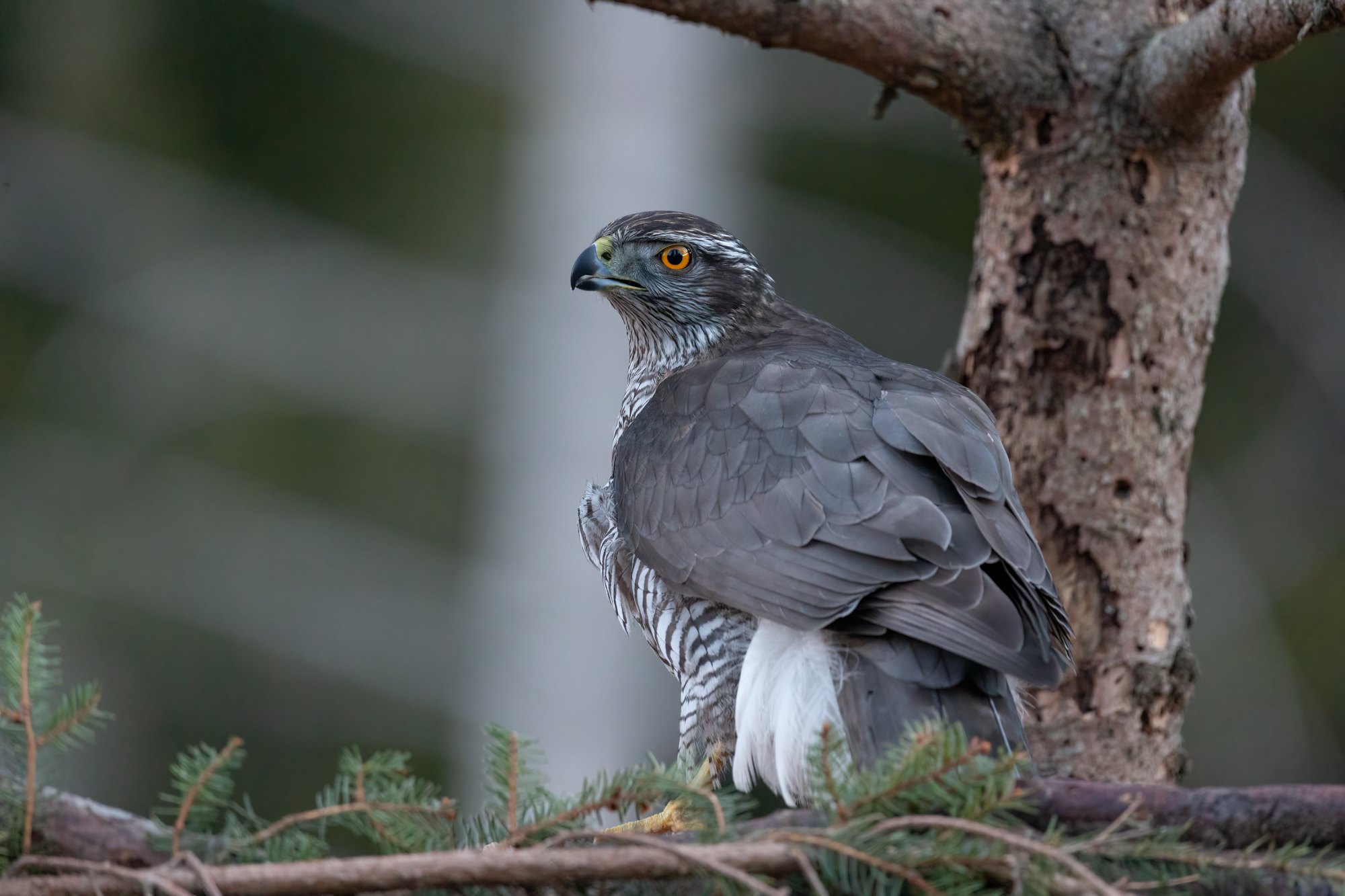
Astore/Goshawk
Poiana/Buzzard
WOODPECKERS
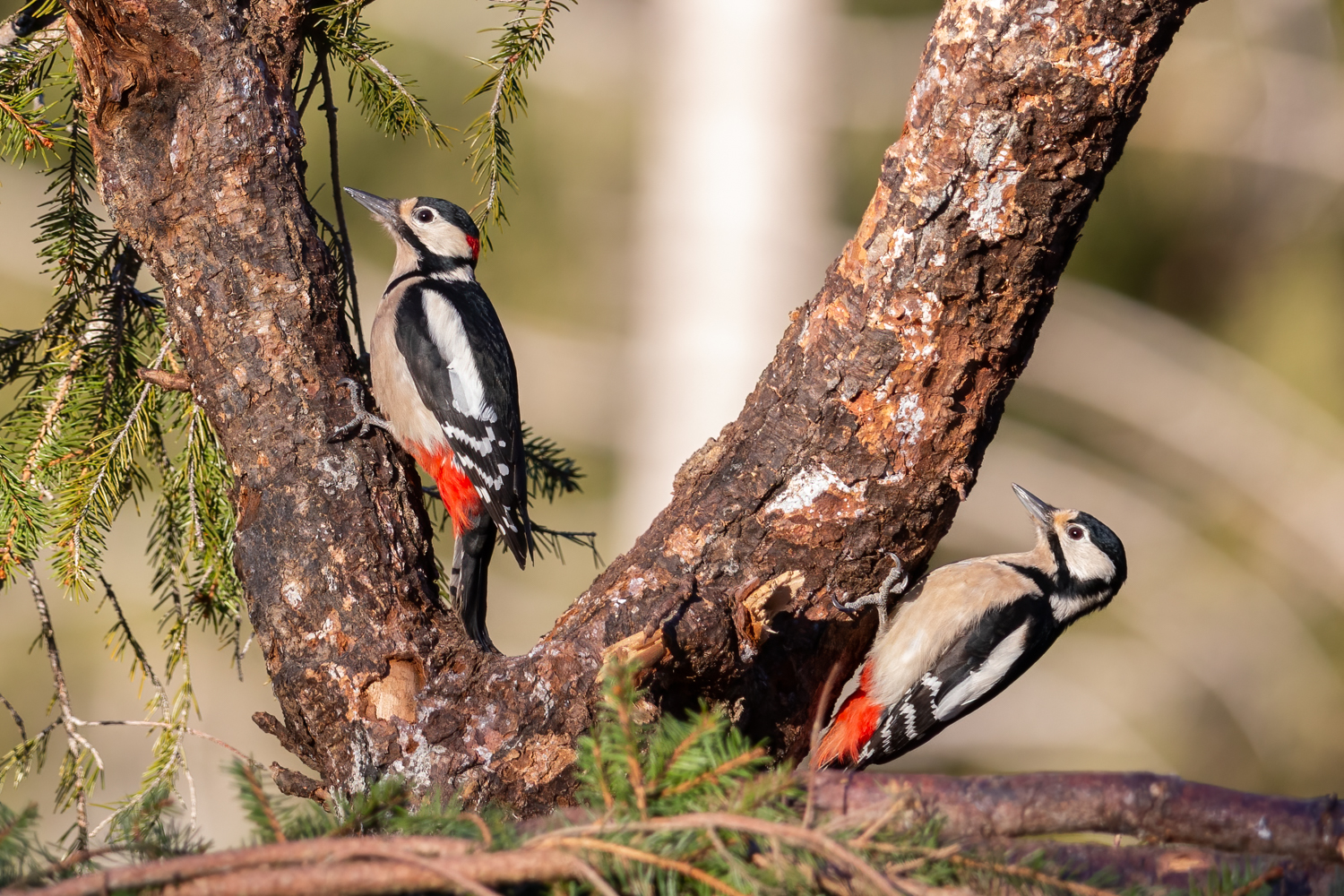
The Woodpecker family (Picidae) represents the symbol of woods and forests. The Great Spotted Woodpecker, Green Woodpecker and Black Woodpecker are present with a discreet consistency both in Carvignone and in the surrounding forest areas, full of mature and partly rotting trees. The most frequent species is the Great Spotted Woodpecker, which signals its presence with its monotonous clicking. Less frequent is the Green woodpecker, which does not like spruce forests. Rarer is the Black Woodpecker, which prefers large mature trees, which are rare in Carvignone. Woodpeckers are species specialized in living exclusively in the woods, where they find nourishment and reproductive sites. Their diet is consisting mainly of insects and other arthropods, which they capture hammering and digging branches and trunks with its sharp beak and long tongue and viscose. The nests are dug in healthy trunks, with a chamber of deep and well-cleaned nesting, which is used only once. The old abandoned nests are often occupied by other inhabitants of the forest, such as Dormice, Common Owls, Grosbeak Owls and Pygmy Owls. Fortunately in Italy the Picchi are slightly expanding and contribute to forest balances, in particular for containment of populations of phytophagous beetle larvae.


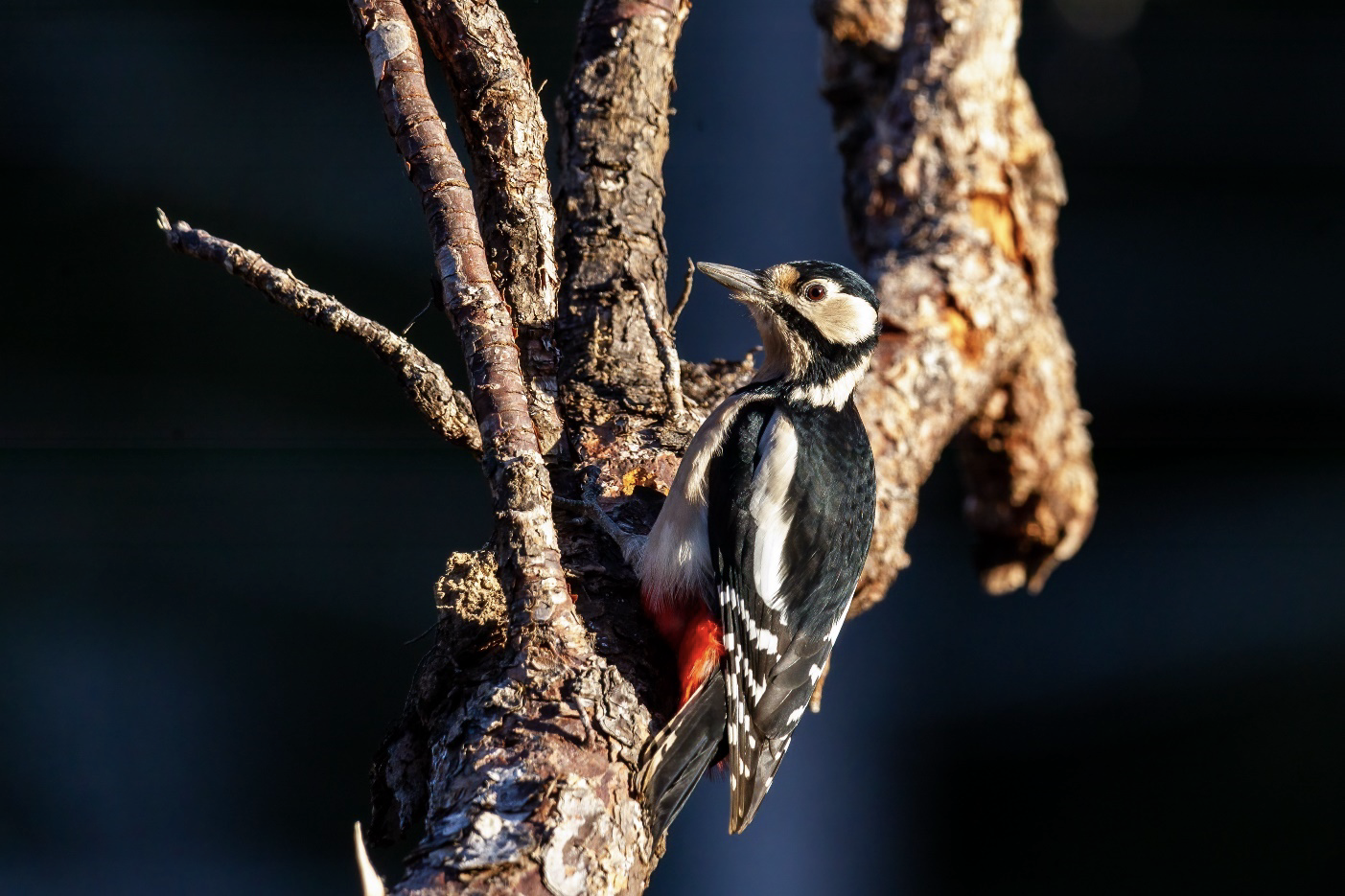
Picchio Rosso Maggiore/Great Spotted Woodpecker
Coppia Picchio Rosso Maggiore/Pair of Great Spotted Woodpecker
CROWS
The Crow family (Corvidae) is absolutely the group of birds that has adapted best to the presence of man. There are five species that frequent the
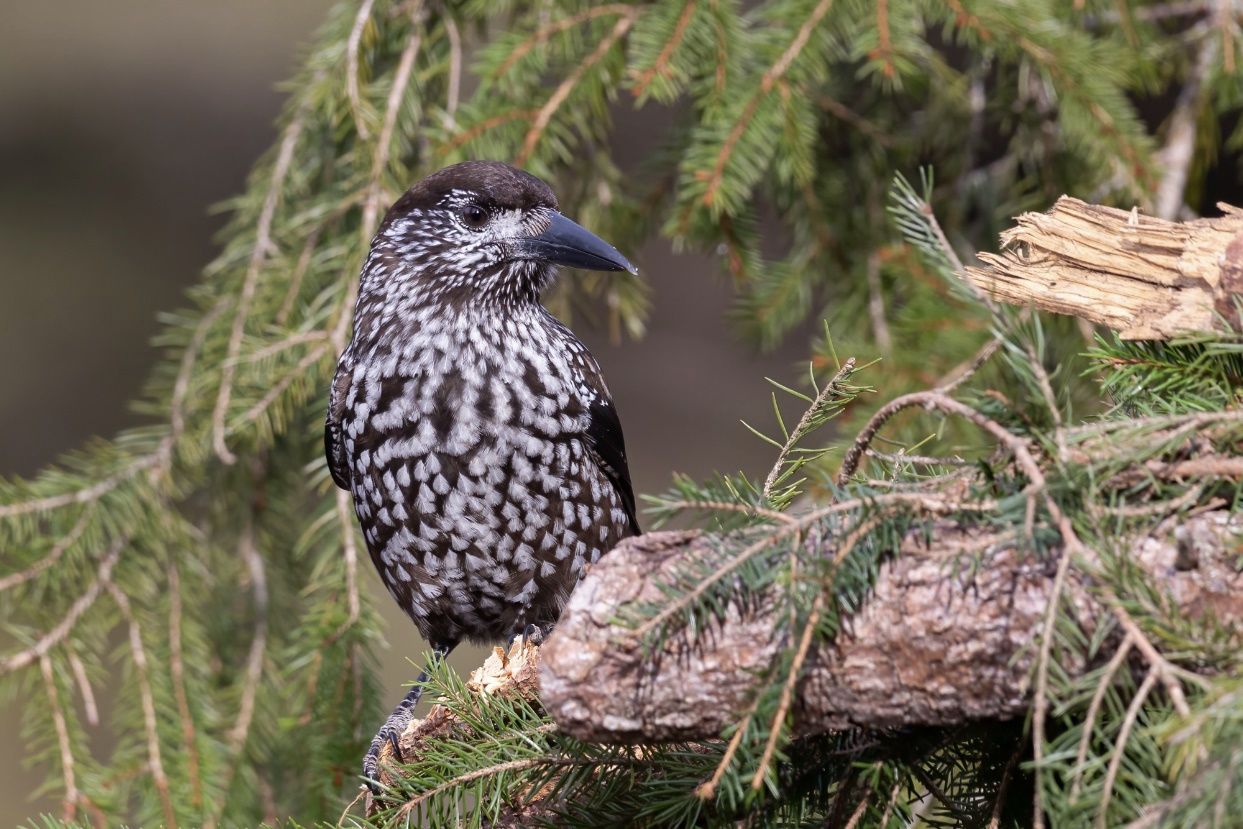
Carvignone Forest, with variable consistencies, maintaining their distinct exploratory behavior. The Hooded Crow and the Common Raven are the most common frequent and visibles pecies, while the Jay, although present in good numbers, is more elusive, remaining in the thick of the woods and making itself noticed only for its own unmistakable croaking. The presence of the Nutcracker is interesting, which in generally frequents mature cembretas, but occasionally stops for long periods in the wood. The Carrion Crow is rarer and in competition with the most exuberant Gray Crow, with which it often hybridises in the areas where their areas overlap. All Corvids have an omnivorous and opportunistic diet, not disdaining to feed on carrion and frequenting willingly landfills. They build rough nests of twigs in medium trees size, at a reasonable height. Only the common raven nests preferably on ledges of rocky walls, at higher altitudes. Crows and Corvids are among the few birds that exist benefited from environmental tampering, expanding their ranges reproductive and becoming increasingly confident and skilled in exploiting the presence of man.


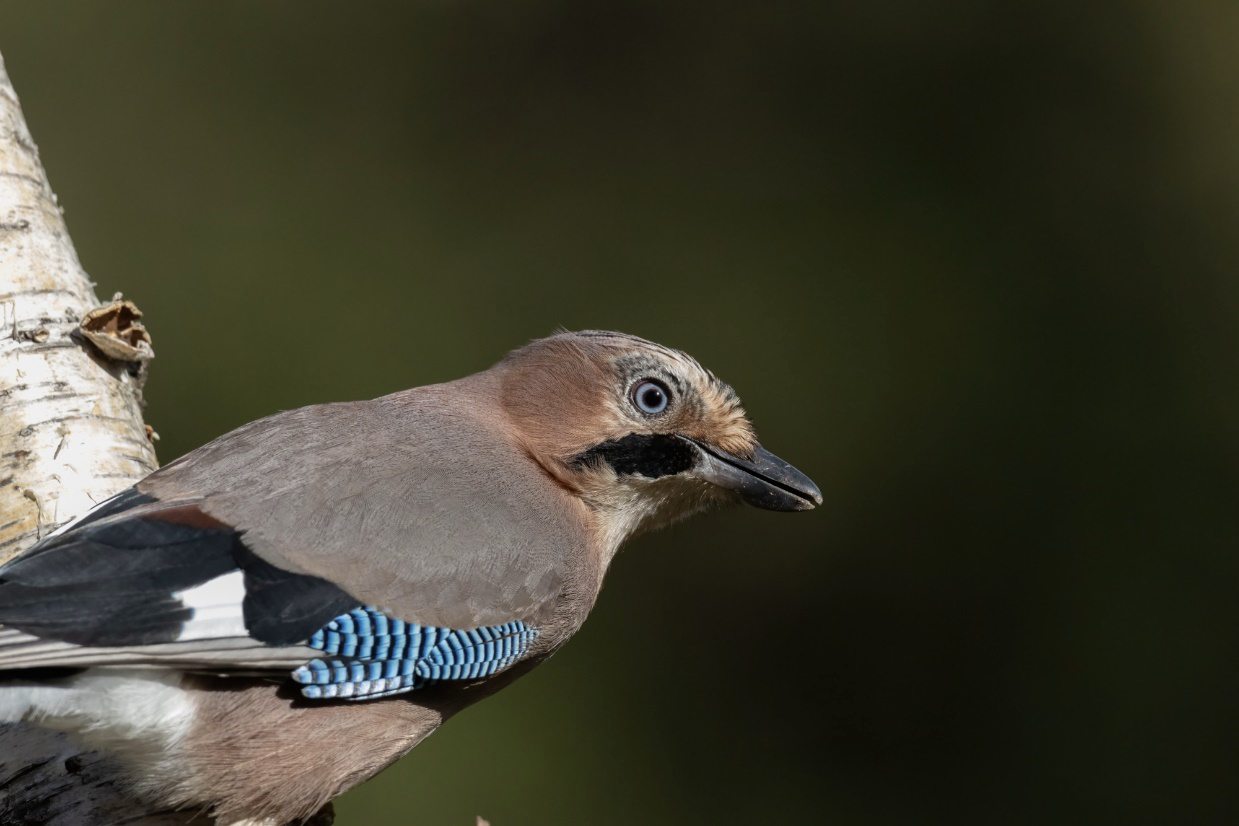
Ghiandaia/Jay
Nocciolaia/Nutcracker
FINCHES
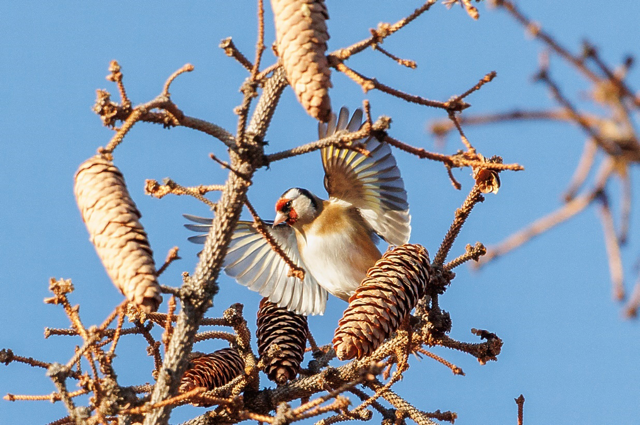
Among the ten species of Finches (Fringillidae) that frequent the woods, the chaffinch is certainly the most common and its song it can be heard at all times of the year. Both he and Verdone, the Goldfinch, Bullfinch and Hawfinch nest in the area, while others species are present above all in winter and during migrations. The Crociere and the Organetto, in particular, during the coldest periods with heavy snowfall they come down from high altitudes for easy feeding. Finches are very eclectic and adaptable birds different environmental conditions, to the point that they have colonized all lands emerged, outside of Antarctica. Their diet is exclusively frugivorous and granivorous and often, in times of famine, gather in large flocks that wander in search of food. Crossbills and Bramblings, in particular, coming from the North-East of Europe they carry out real "invasions" in Lombardy and Northern Italy in general. They generally nest in trees and shrubs, building cup-shaped nests, often covered with soft down. Someone species do not disdain placing their nests in rocky ravines and cavities artificial. Their remarkable adaptability allows for a good part of Finches not to be affected by environmental changes, to the exclusion of some typically Alpine species, which suffer from these causes.


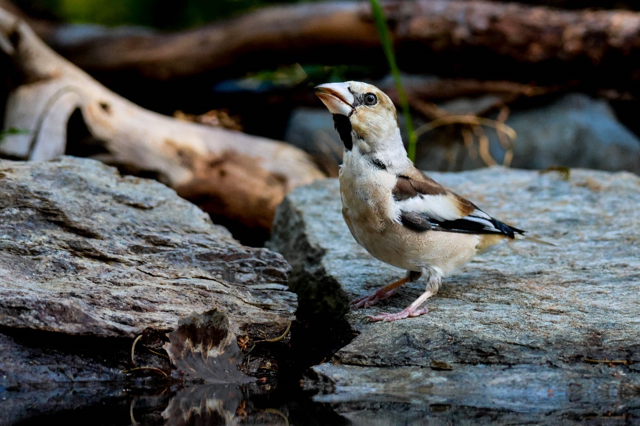
Cardellino/Hawfinch
Frosone/Goldfinch
TRUSHES
The Thrush family (Turdidae) includes all over the world numerous species, mostly characterized by mimetic plumage and from a melodious song. There are twelve species that frequent Carvignone and the neighboring areas. Some species, such as the Blackbird, the Redstart and the Robin, they live there all year round and nest there, others are present in the reproductive period and occasionally during migratory periods and in winter, when they come down from high altitudes to find more congenial conditions search for food. Tordele and Cesene are particularly numerous at times harsher than winter, also aggregating with other passerines to optimize the search for food. All Thrushes feed on a wide variety of invertebrates, while in winter fruits, berries and seeds become food main part of their diet. They generally build cup-shaped nests, which they place between the forks of trees and bushes. Only the Robin and the Redstart they like prepared nest boxes and become confident even when nearby of the mangers. Partly for this reason they are expanding across Europe, while the Redwings, the Song Thrushes and the Thrushes are in significant decrease due to habitat destruction and excessive hunting harvest.


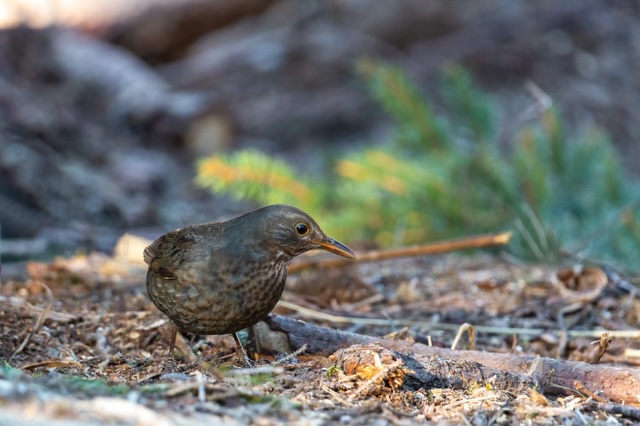
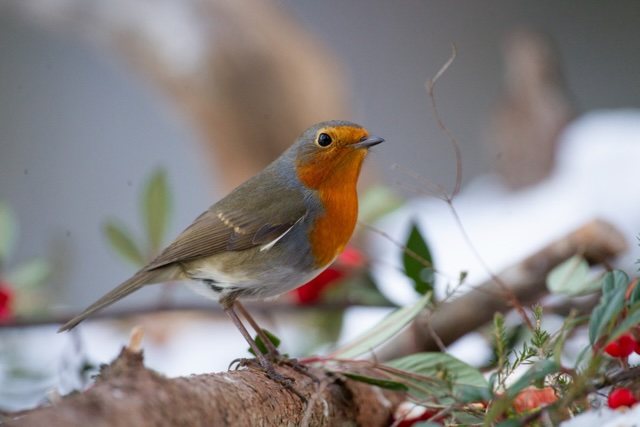
Merlo/Blackbird
Pettirosso/Robin
TITS
The Tit family (Paridae) is represented at Carvignone from five species (Cinciallegra, Cinciarella, Cincia mora, Cincia alpine tit, Tufted Tit), with a fair presence of breeding pairs, among which the Coal Tit and the Crested Tit stand out for their consistency. Tits live exclusively in rich forest habitats natural cavities, useful for their reproduction. They nest mainly in holes of trees, producing a notable quantity of eggs during the breeding season (even more than 30 in different broods), to make up for a high mortality rate. During the breeding season they are territorial and they feed themselves exclusively on eggs, larvae and adult insects. Only in winter they become partially granivorous and form mixed herds with other species to be more effective in finding food. Their permanence and consistency offers a notable contribution to the control of insect pests woods. The presence of tits in our woods and gardens is favored by man who, with feeders and nest boxes, favored theirs expansion, receiving in exchange their pleasant chirping and the sight of their bright yellow-blue plumage.


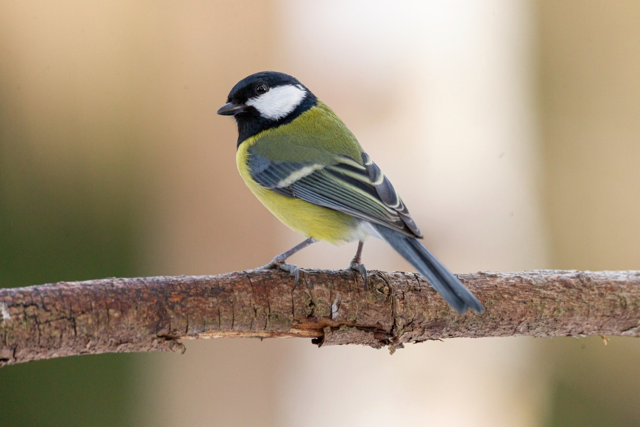
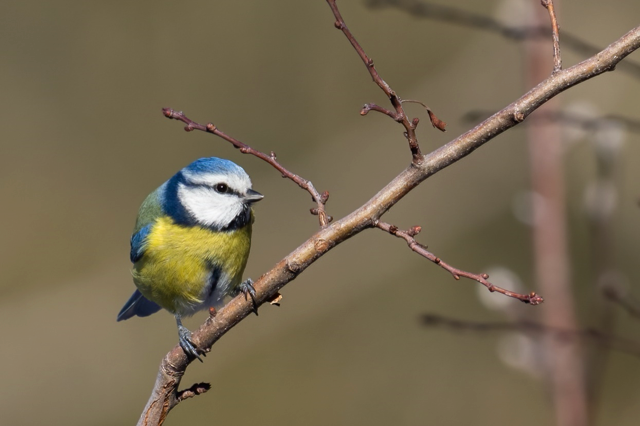
Cinciarella/Blue Tit
Cinciallegra/Great Tit
SWALLOWS AND SWIFTS
The families of Swallows (Hirundinidae) and Swifts (Apodidae), despite being systematically separated, have common characteristics, which often confuses the superficial observer. Five species are observed in Carvignone, none of them nests in the area. Four species (Swallow, House Martin, Swallow montana, Rondone) use the houses of Cevo to establish their breeding colonies. They build their nests between the tiles and under the eaves or in other ravines of mud (Martin and Common Swallow) or slip between some tiles disconnected (Common Swift and Mountain Swallow). Only the Great Swift does not nest in the village, preferring rocky walls at higher altitudes. A characteristic of the two families is the great flying ability, which allows them to feed exclusively on flying insects (aeroplankton) in the
summertime. For this reason, they are large African migrants, made exception for the Mountain Swallow, which migrates at a short distance, moving from Alps in central-southern Italy. Swifts are the fliers among birds
most efficient ever, to the point of sleeping in flight during long journeys migratory routes and not to land at land, since the long sickle-shaped wings and very weak legs would prevent them to get up again. Unfortunately, the use of insecticides and the abandonment of buildings rural areas for new agricultural methods have contributed to a decline generalized of all populations, in particular of the Common Swallow.


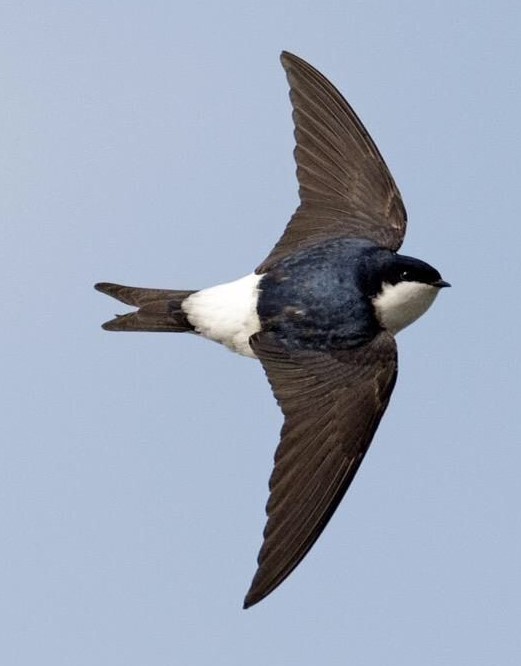
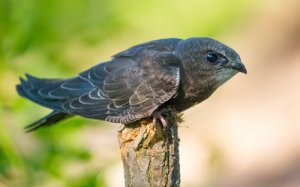
Rondone/Swift
Balestruccio/House Martin
TO LEARN MORE::
–“Atlante degli uccelli delle Alpi Italiane” P: Brichetti – Ed. Ramperto (BS)
–“Guida agli uccelli d'Europa, Nord Africa e Vicino Oriente” - L. Svensson – Ed. Ricca
SHORT GUIDE TO RECOGNIZE BIRDS SPECIES
Species recognition is essential to understand what we are observing. knowledge of a bird's topography is therefore essential to arrive at the correct identification. The maps below are intended to be an element to help us deepen our knowledge in a simple way.


Examples of nest boxes to encourage the presence of some species


SCHEDA 1.pdf
SCHEDA 2.pdf
SCHEDA 3.pdf
SOCIAL
CONTACT
LOCATION
via Mario Pagano 41, Milano
20145
Italia
© 2020 C.FISC. 97871390155